

In the spotlight
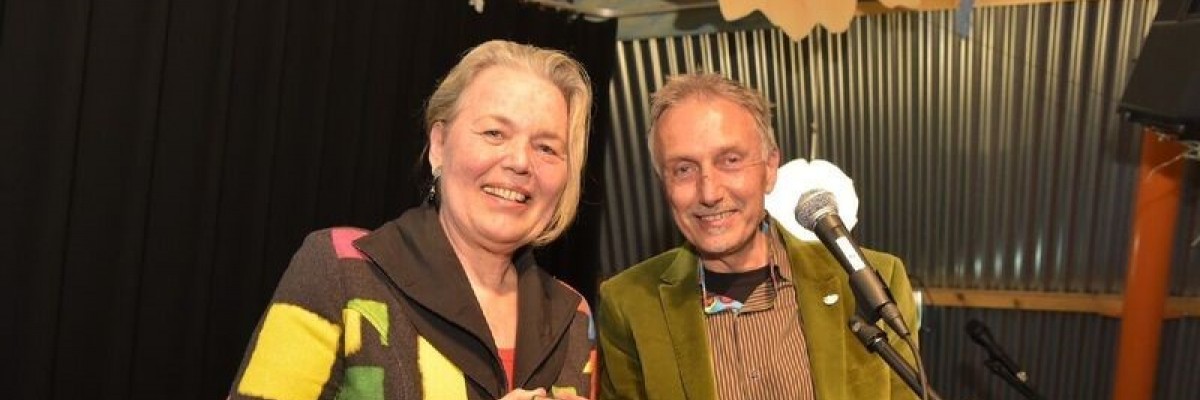
Winnaar Marc Cornelissen | Brightlands Award en ZonMw Parel
Bekijk project Bekijk alle projecten >
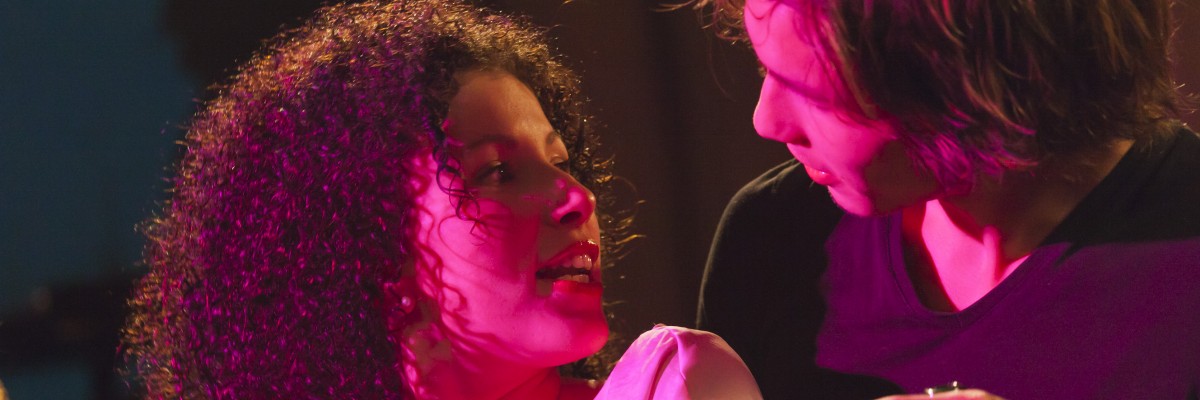
Positive Deviance
Hoe scholen op een innovatieve manier mentale veerkracht kunnen bevorderen
Bekijk project Bekijk alle projecten >
Bhutan Entertainment Media for Behavior Change Training Program
Bekijk project Bekijk alle projecten >
Welkom bij het Centrum Media & Gezondheid
Het Centrum Media & Gezondheid (CMG) is een kenniscentrum dat zich actief inzet voor een gezonde en duurzame samenleving in Nederland én over de landsgrenzen heen. Samen met inhoudelijke en creatieve partners werken we aan een gezonde leefstijl en een gezonde leefomgeving. Vanuit verschillende wetenschappelijke domeinen onderzoeken en ontwikkelen we innovatieve communicatiemethoden om met name kwetsbare doelgroepen te bereiken, o.a. door middel van de entertainment-education strategie, storytelling, sociale media en co-creatie, zoals Sound Effects, UP2U, Mark My Words en Positive Deviance.
Sinds de oprichting in 1999 heeft het CMG een rijke variëteit aan communicatie-interventies en onderzoeksprojecten ontwikkeld voor diverse actuele maatschappelijke vraagstukken op het terrein van gezondheid, patiëntcommunicatie, duurzaamheid, sociale tolerantie en actief burgerschap. Het CMG heeft hiervoor diverse (inter)nationale prijzen in ontvangst mogen nemen.
De onderzoeksresultaten worden via onderwijsactiviteiten, trainingen, lezingen en publicaties ingezet voor een gezonde en duurzame samenleving. Op verzoek adviseert het CMG ook organisaties op het terrein van gedragsverandering, interventieontwikkeling en innovatieve onderzoeksmethoden.
CMG staat voor kennis die werkt en resultaat oplevert!
Nieuws
-
 Brightlands Award
11 februari 2021
Brightlands Award
11 februari 2021 -
 Covid Behavioural Challenge
29 januari 2021
Covid Behavioural Challenge
29 januari 2021 -
 DNA-dialoog
25 januari 2021
DNA-dialoog
25 januari 2021 -
 Promotie Roel Lutkenhaus
10 november 2020
Promotie Roel Lutkenhaus
10 november 2020